
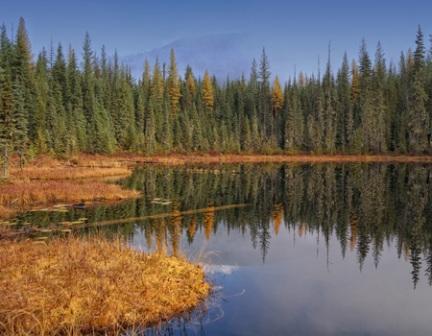
Today is World Wetlands Day and we are recognizing and celebrating these enormously varied and important ecosystems.
Many used to be called ‘swamps’, and got a bad rap—despite the fact that they help prevent flooding by acting like sponges during storm events, filter out toxins, and help provide water to aquifers for drinking and other use during dry months, and so much more.
By the 1980s, the lower 48 states had lost more than half (53%) of wetlands that existed in the late 1700s. The wetlands have been drained, filled or otherwise altered and converted to some other use and function.
That led to concern for the wetlands that do remain. DNR’s Natural Heritage Program, established in 1977, began identifying the best quality wetlands in lowland western Washington. As a result, more than 20 of the DNR-managed natural areas (both Natural Area Preserves (NAPs) and Natural Resources Conservation Areas (NRCAs) were identified as conservation priorities due to wetlands values. Many other natural areas also have significant wetland values, even though wetlands were not the main feature driving conservation of those sites.
A map* developed in 2000, shows that between one quarter and one half of Washington’s wetlands have been lost…and continue to be lost. DNR recently has re-emphasized wetlands as a conservation priority.
“Wetlands are definitely a conservation concern in Washington, and one of the main priorities for the Natural Heritage Program. We have a tremendous variety of wetlands, and they support many of our state’s rarest plant species,” said John Gamon, program manager. “Two of our scientists currently are working on federal grants to bring our Natural Heritage data on Washington’s wetlands up to date and make it more comprehensive.”
Wetlands—valuable statewide and community assets
As a result of these efforts, county planners, developers, conservationists and others have a better picture of the status of wetlands in Washington. Local governments and communities use the information to decide what kind of protection is appropriate for these valuable community assets.
Wetlands are important for conservation and providing critical functions in the landscape, like acting as natural kidneys to remove pollutants and toxins from the environment, like sponges to absorb and slowly release storm water to support summer stream flows, lessen flooding risk and recharge aquifers. They also provide important habitat for a whole host of wildlife – waterfowl, migratory birds, amphibians, small mammals, reptiles, invertebrates, and more.- and support a number of rare plant species.
DNR’s Natural Areas Program has a number of sites identified as important for protection by the Natural Heritage Program with wetlands of statewide significance including Snoqualmie Bog, Kings Lake Bog, Schumacher Creek, Clear Water Bogs, Carlisle Bog, North Bay, Trout Lake, Inkblot and Dailey Prairie NAPs. All of these sites were selected for protection primarily because of their wetland ecosystems that are healthy and high functioning.
Wetlands around the world are at risk
Efforts continue around the world to protect this essential resource. Some world wetlands day links:
Environmental Concern dedicated to working with all aspects of wetlands: Celebrates World Wetlands Day, Ramsar Convention, and Wetlands and Tourism
*SOURCE: Our Precious Heritage: The Status of Biodiversity in America. 2000. Stein, B. A., L.S. Kutner and J.S. Adams. The Nature Conservancy and the Association for Biodiversity Information (now NatureServe) includes the map of wetlands, mentioned above.
| Follow DNR on: |  |
 |
 |
 |
 |
 |
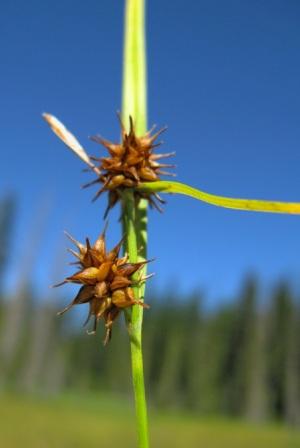
Photo: Carex flava, a State Rare Plant (Yellow Sedge) that is found in wetlands in northeastern Washington. Photo DNR/ Joe Rocchio
